
I worked with five South Carolina Department of Juvenile Justice Directors (DJJ) during my time as a volunteer and Senator. It’ a difficult and often chaotic job housing, feeding, educating and, if lucky, rehabilitating South Carolina’s youth who have been … less than perfect.
There are at least four varieties of children – yes, children – housed at DJJ between the ages of 12 and 19. The first is status offenders, children who really should not be incarcerated. Most are truant, runaways or are otherwise uncontrollable. So, their have them arrested so law enforcement can them for a short stint at DJJ to “teach them a lesson.” Scare them straight. This my friends, is a huge mistake. There is no “short stint” at DJJ.
The intake process in which the “offender” is screened and evaluated, takes 30 to 45 days. Rather than segregating the child by age or offense, DJJ houses school dodging 12 year with the 19 year old that just killed Grandma. After intake, comes sentencing before a judge. By this time they’ve learned a new language (and it isn’t French or German), been introduced to a new and dangerous culture and maybe even joined a gang for protection. Protection means survival. Lessons no pre-teen should have to learn.
The second group of these are the kids with mental health issues. They go through all the above but are also bullied and abused because they can’t perceive what’s happening. But the process doesn’t care, and they’re sent to serve a sentence they can’t comprehend in an environment they don’t understand.
The third group are the children that actually commit crimes, but maybe petty larceny, drinking and driving, minor drug charges. All of the above happens to them.
The fourth group, need to be there, locked up. They are violent and evil people, young as they may be and their crimes are malicious. They truly deserve to be imprisoned.
All of these categories of inmates are housed – together – in overcrowded and outdated facilities. DJJ is understaffed but for a good reason. Those tasked left to guard and protect these children, many over six feet tall and weigh north of 250lbs, are mostly women who are not allowed to carry anything to protect themselves. Why women? The salary is too low to attract men or even qualified persons at all.
How do we fix this grotesque inequity the state is imposing on these youth?
- South Carolina should make it mandatory for all Family Court judges to take a full day tour of DJJ facilities. And add rookie police officers who haven’t seen kids jail. They need to have lunch and sit through a class too. Judges need to know what to what they are sentencing these kids.
- Intake should be a day and kids if they are there for a status offense, they should be sent home until adjudicated.
- Law enforcement should not be able to just drop these kids off. They should have a bond hearing the next day like everyone else in the judicial system
- We need to require all the facilities with available beds be open and funds that the legislature has allocated be used!
- DJJ is overcrowded because there are several perfectly good juvenile facilities around the state that should be open accepting these children that aren’t. Greenville and Charleston to name two.
- The legislature allocated money for mental health beds several years ago. They broke ground only in August of this year.
- Remodel the facilities we have and put these kids in a livable environment.
- Separate these children! We should never have 12 year olds housed with 18 year olds or petty thieves with murderers.
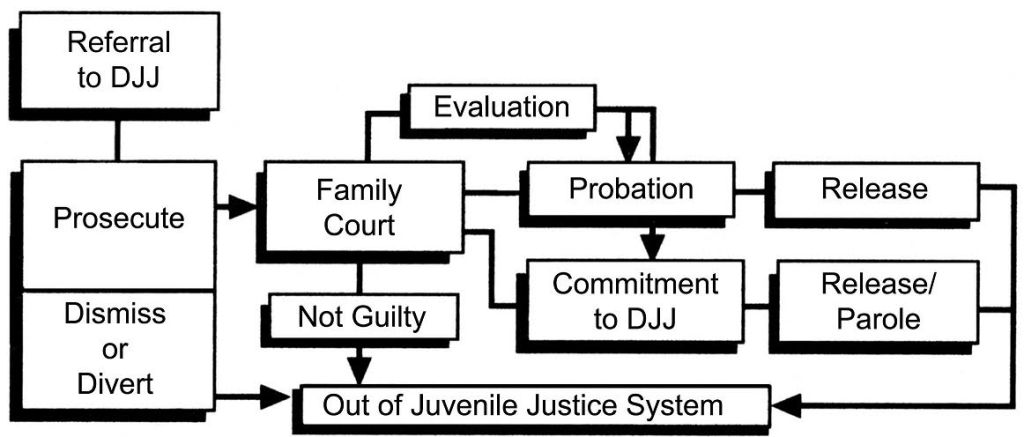
When children are sentenced to DJJ we have an obligation to rehabilitate them. At one time during my many years of DJJ involvement, we had great programs that provided real opportunities for the kids when they left the facility. There were upholstery, carpentry, welding, auto repair, art, culinary and music programs. The children preformed and showed off their talents to the volunteers, their families and staff. It was a family. We even built a house behind the fence with Habitat for Humanity and had a crane lift it over and move it. The children were proud of their accomplishments and justifiably so.
We need to do these again. The only way to do it is to dedicate ourselves to our struggling children. The churches and volunteers so involved during the days of such dedicated and concerned juvenile justice champions as Judge William R. Byars, Jr and former DJJ Director Margaret Barber need to return to their commitment to our children. But more so, the state needs to put its legislative and fiscal foot down and clean up the repulsive mess that has festered for the last decade.
The money is there! I know this to be fact as a member of the Finance and Corrections and Penology Committees and Chair of the Family and Veterans’ Services Committee. What’s missing is the will and, honestly, the compassion to care.

 WHILE I BREATHE
One response to “Juvenile Justice Isn’t Justice”
[…] criminals off the street only to see them back on the street in less than a day. Go to Department of Juvenile Justice and you will see juveniles that have run away from home or shoplift behind bars when they just […]
LikeLike